
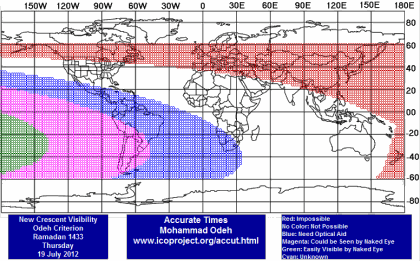
Know the crescent visibility of the current month, the locations from which you can see the crescent, where the crescent was actually seen, the official month start in different Islamic countries. Results are from ICOP members
This post is also part of my previous post >>Crescent Visibility Report for Ramadan 1433
Ramadan Waxing (NEW) Crescent Observation Results
19 July 2012
Algeria
1. Not Seen: ICOP member Mr. Hocine Chikh Aissa from Ghardaia City in Ghardaia State mentioned that the sky was partly cloudy, the atmospheric condition was clear, the crescent was not seen by naked eye, the crescent was not seen by binocular, the crescent was not sought by telescope, the crescent was not sought by CCD Imaging
Brunei Darussalam
1. Not Seen: ICOP member Dr. Mohammed Hussain Ahmad from Bandar Seri Begawan City in Brunei State mentioned that the sky was partly cloudy, the atmospheric condition was hazy, the crescent was not seen by naked eye, the crescent was not seen by binocular, the crescent was not seen by telescope, the crescent was not sought by CCD Imaging
Dr. Mohammed Hussain Ahmad said: “The new moon was not sighted in Brunei this afternoon, Thursday 19/7/2012. Therefore the 1st day of Ramadan will start on Saturday, 21 July 2012.”
Germany
1. Not Seen: ICOP member Mr. Muhammad Al-Faarooq from Kirchheim unter Teck City in Baden-Württemberg State mentioned that the sky was totally cloudy, the atmospheric condition was hazy, the crescent was not seen by naked eye, the crescent was not sought by binocular, the crescent was not sought by telescope, the crescent was not sought by CCD Imaging
Ghana
1. Not Seen: ICOP member Mr. Abdul-Aziz Anyang from Accra City in Greater Accra Region State mentioned that the sky was clear, the atmospheric condition was clear, the crescent was not seen by naked eye, the crescent was not sought by binocular, the crescent was not sought by telescope, the crescent was not sought by CCD Imaging
Mr. Abdul-Aziz Anyang said: “All nine regions in Ghana did not see the new crescent except the Ashanti regional capital, Kumasi. Two groups with representation from the National Hilal Committee went to the hihg ground to observe the new crescent, but could not see it. On their return to the city, they were told that someone saw it with some other people and hence announcement was made that night to commerce the fast on the following day. The next day (friday July 20) after sunset the new crescent was clearly seen by almost all the ten regions in Ghana. Ramadan Mubarak…Ramadan Kareem!”
Indonesia
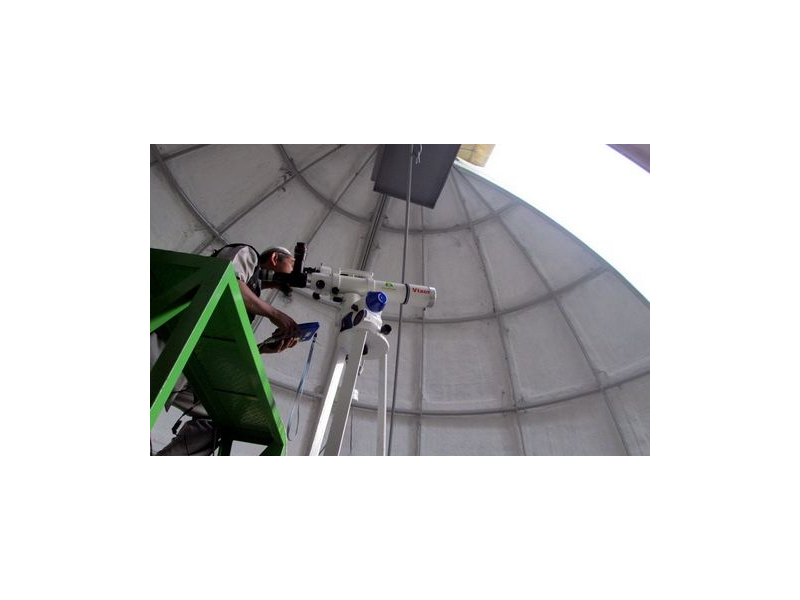
1. Not Seen: ICOP member Mr. AR Sugeng Riyadi from Surakarta City in Central Java State mentioned that the sky was totally cloudy, the atmospheric condition was superb, the crescent was not seen by naked eye, the crescent was not seen by binocular, the crescent was not seen by telescope, the crescent was not seen by CCD Imaging
Mr. AR Sugeng Riyadi said: “On Thursday, July 19, 2012: The New Crescent of Ramadhan 1433 AH was NOT SEEN from Assalaam Observatory- Surakarta Central Java – Indonesia. We are about 200 moslem tried to see, but the sky was cloudy. And also about 38 location in Indonesia reported that the Hilal was not seen. Indonesia Government declared the 1st Ramadhan 1433 AH will be on Saturday, July 21, 2012. ”
Malaysia
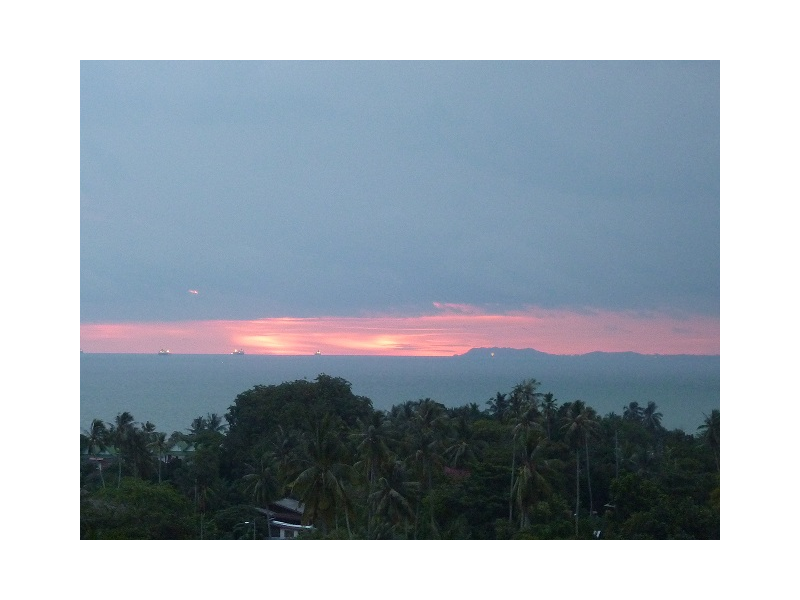
1. Not Seen: ICOP member Mr. Kassim Bahali from Tanjung Bidara City in Melaka State mentioned that the sky was totally cloudy, the atmospheric condition was hazy, the crescent was not seen by naked eye, the crescent was not seen by binocular, the crescent was not seen by telescope, the crescent was not seen by CCD Imaging
Mr. Kassim Bahali said: “The Hilal sighting ceremony was held at Al-Khawarizmi Observatory. The Governor of Malacca and more than 300 peoples joined this ceremony. Hilal was not seen due to western sky was cloudy.”

Nigeria
1. Not Seen: ICOP member Mr. Simwal Jibril from Kaduna City in Kaduna State mentioned that the sky was partly cloudy, the atmospheric condition was hazy, the crescent was not seen by naked eye, the crescent was not sought by binocular, the crescent was not sought by telescope, the crescent was not sought by CCD Imaging
Mr. Simwal Jibril said: “The western horizon was partly cloudy,sunset was not visible too.”
2. Not Seen: ICOP member Mr. Qamardeen Yasin Muhammad from LAGOS City in LAGOS State mentioned that the sky was partly cloudy, the atmospheric condition was very hazy, the crescent was not seen by naked eye, the crescent was not sought by binocular, the crescent was not sought by telescope, the crescent was not sought by CCD Imaging
Mr. Qamardeen Yasin Muhammad said: “It was cloudy here, Sun disc disappear at 6:38 Pm local time due to Cloudy Western sky (approx: 20 degree). New Hilal of Ramadan is not visble.”
3. Not Seen: ICOP member Dr. Usman El-Nafaty from Bauchi City in Bauchi State mentioned that the sky was totally cloudy, the atmospheric condition was very hazy, the crescent was not seen by naked eye, the crescent was not sought by binocular, the crescent was not sought by telescope, the crescent was not sought by CCD Imaging
Dr. Usman El-Nafaty said: “The western sky was totally clody as it is now rainy Aston here in Bauchi Nigeria. So the crescent was not sighted. However I got report from another town, Nafada about 350km away where the sky was superbly clear and hundreds of people there have tried sighting it but could not see it. All other friends that I constantly ask to try sighting the crescent during other lunar months also admitted not seeing it. Surprisingly though we heard from some media outlets that some people in couple of locations have sighted it. The problem though is that once Saudi Arabia announced beginning of Ramadan it becomes a very strong justufication for claims of sighting and thus very difficult to refute.
Alhamdu Lillah.
Usman El-Nafaty”
Oman
1. Not Seen: ICOP member Eng. Martin Elsaesser from Jebel Shams City in Ad Dakhiliyah State mentioned that the sky was partly cloudy, the atmospheric condition was very hazy, the crescent was not sought by naked eye, the crescent was not sought by binocular, the crescent was not sought by telescope, the crescent was not seen by CCD Imaging
Eng. Martin Elsaesser said: “We went to Jebel Shams, a 3000m high mountain to try to observe the crescent on 19. July. We started around 0930 and tried for 6 hours to image the crescent in daytime, but could not detect it. The sky was ok (which probably translates to excellent by local standards), but the area around the sun was still white with scattered light. This was not good enough to detect a crescent at 5° elongation.
Later, clouds moved in and covered the sky, with some light rain. Shortly before sunset, the sun reached the lower edge of the clouds and nicely vanished in the haze some time later, still above the geometrical horizon. As the crescent was at least 100 million times fainter (going from the astronomical brightnes of sun and crescent) i just watched the colorful show.
I tried to take some “measurements” of the sky brightness during the day, using a quick lashup of a solar-photometer-lens for my DSLR. I will try to analyze these images later, hoping to get some kind of numerical value for the sky quality we encountered.
”

Saudi Arabia
1. Not Seen: ICOP member Mr. Saleh Al-Saab from Bokariyyah City in al Gaseem State mentioned that the sky was clear, the atmospheric condition was clear, the crescent was not seen by naked eye, the crescent was not seen by binocular, the crescent was not seen by telescope, the crescent was not sought by CCD Imaging
2. Seen by others: ICOP member Mr. Samy Khadem-Al-Charieh from Makkah City in Makkah State mentioned that the sky was clear, the atmospheric condition was very hazy, the crescent was not seen by naked eye, the crescent was not seen by binocular, the crescent was not sought by telescope, the crescent was seen by CCD Imaging
Mr. Samy Khadem-Al-Charieh said: “The crescent was seen by our colleague in daytime by CCD only and it was very hard (6° elongation only). Because of the strong haze and the short moonlag time there was no success after sunset.”
South Africa
1. Not Seen: ICOP member Dr. Abdurrazak Ebrahim from Cape Town City in Western Cape Province State mentioned that the sky was partly cloudy, the atmospheric condition was hazy, the crescent was not seen by naked eye, the crescent was not seen by binocular, the crescent was not seen by telescope, the crescent was not sought by CCD Imaging
Dr. Abdurrazak Ebrahim said: “As a point of interest, I set up a Dobsonian XT6 telescope to try to capture the crescent but to no avail. The solar coronal glare was larger than usual, especially upwards of the trailing limb of the sun. The moon was positioned in this area. There was a mass coronal emission yesterday and perhaps (?) this may be the cause of the excessive coronal glare.
The weather was fine and trying to break the world record for a telescopic sighting proved unsuccessful.”
United Kingdom
1. Not Seen: ICOP member Eng. Qamar Uddin from York City in North Yorkshire State mentioned that the sky was totally cloudy, the atmospheric condition was hazy, the crescent was not seen by naked eye, the crescent was not sought by binocular, the crescent was not sought by telescope, the crescent was not sought by CCD Imaging
Eng. Qamar Uddin said: “On Thursday, 19 July 2012 (29 Shaban 1433 AH) many people from throughout UK have attempted to sight the crescent moon (Hilal) of Ramadan after sunset. None of the groups were able to sight the Hilal, even though some places had clear sky conditions.
We have not received any reliable sighting reports (Muhaqaq-Ruyat-Basari) from east of the UK/Morocco either. The Morocco Awqaf Ministry and Jamiat-e-Ulama South Africa have both reported negative sightings.
Therefore, the Wifaq/Batley Ulama have decided that the month of Shaban 1433 AH will complete 30 days and the month of Ramadan 1433 AH will start from Saturday 21 July 2012 (i.e. sunset of 20 July 2012), Insha-Allah.
Note that none of the 9 official Saudi Hilal Committees were able to sight the Ramadan Hilal this evening, even by telescopes, but the usual persons from near Riyadh (Sudair and Shaqra) have claimed sightings and their report has been accepted by the court. May Allah forgive our mistakes and guide us to the right path (Ameen).”
2. Not Seen: ICOP member Mr. Muhammad Arshad Dar from Bolton City in Lancashire State mentioned that the sky was totally cloudy, the atmospheric condition was very hazy, the crescent was not sought by naked eye, the crescent was not sought by binocular, the crescent was not sought by telescope, the crescent was not sought by CCD Imaging
Mr. Muhammad Arshad Dar said: “Due to heavy clouds on western horizon sighting was not attempted”
United States
1. Not Seen: ICOP member Dr. Javad Torabinejad from Blacksburg City in VA State mentioned that the sky was partly cloudy, the atmospheric condition was hazy, the crescent was not seen by naked eye, the crescent was not sought by binocular, the crescent was not sought by telescope, the crescent was not sought by CCD Imaging
Dr. Javad Torabinejad said: “This evening (Thursday, July 19, 2012), the crescent moon of Ramadan was not sighted in Blacksburg, VA. The western horizon was mostly cloudy. We stayed there only for a few minutes.”
2. Not Seen: ICOP member Mr. Jim Stamm from Tucson City in AZ State mentioned that the sky was partly cloudy, the atmospheric condition was very hazy, the crescent was not sought by naked eye, the crescent was not sought by binocular, the crescent was not seen by telescope, the crescent was not sought by CCD Imaging
Mr. Jim Stamm said: “Through a break in the clouds, the crescent passed after sunset, but it was not visible in an 8 inch telescope.”

20 July 2012
Algeria
1. Seen by others: ICOP member Mr. Hocine Chikh Aissa from Ghardaia City in Ghardaia State mentioned that the sky was clear, the atmospheric condition was clear, the crescent was not seen by naked eye, the crescent was seen by binocular, the crescent was not sought by telescope, the crescent was not sought by CCD Imaging
Mr. Hocine Chikh Aissa said: ” The New Crescent of Ramadhan 1433 AH was seen from N’tissa station – Ghardaia. from 25 personnes present only 2 personne saw the hilal by binoculars.”
Germany
1. Not Seen: ICOP member Mr. Muhammad Al-Faarooq from Kirchheim unter Teck City in Baden-Württemberg State mentioned that the sky was totally cloudy, the atmospheric condition was hazy, the crescent was not seen by naked eye, the crescent was not sought by binocular, the crescent was not sought by telescope, the crescent was not sought by CCD Imaging
Indonesia
1. Seen: ICOP member Mr. AR Sugeng Riyadi from Surakarta City in Central Java State mentioned that the sky was partly cloudy, the atmospheric condition was clear, the crescent was seen by naked eye, the crescent was seen by binocular, the crescent was seen by telescope, the crescent was not sought by CCD Imaging
Mr. AR Sugeng Riyadi said: “On Friday, July 20, 2012: The New Crescent of Ramadhan 1433 AH was SEEN from Assalaam Observatory- Surakarta Central Java – Indonesia. We are about 100 moslems saw the hilal, approx 10 minutes after sunset when the moon altitude at 10.5 degree by teleskop. We saw the hilal at 20 minutes after sunset, naked eye.”

Iran
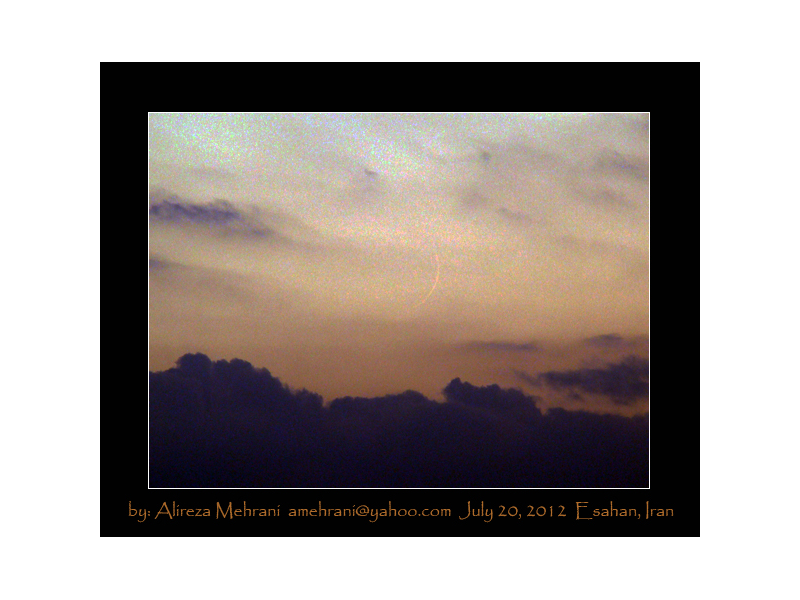
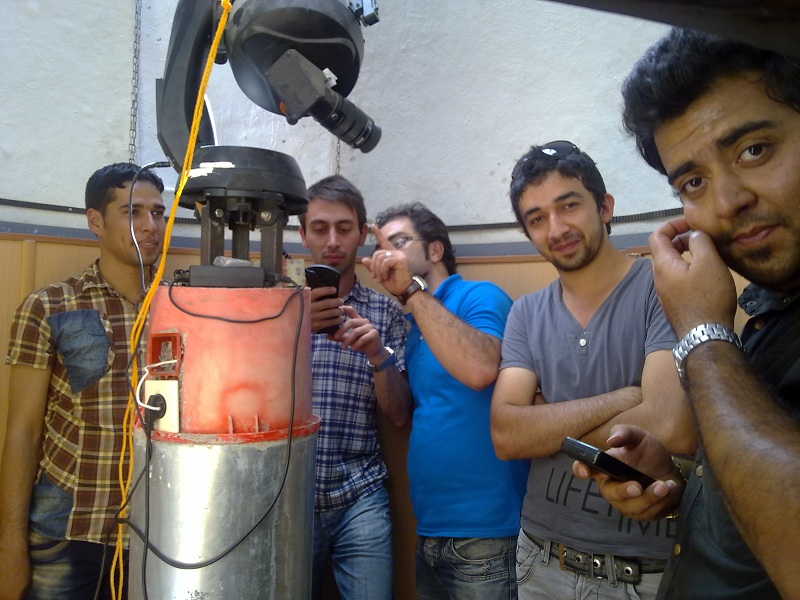
1. Seen: ICOP member Mr. Alireza Mehrani from Esfahan City in Esfahan State mentioned that the sky was partly cloudy, the atmospheric condition was hazy, the crescent was not seen by naked eye, the crescent was seen by binocular, the crescent was not sought by telescope, the crescent was not sought by CCD Imaging

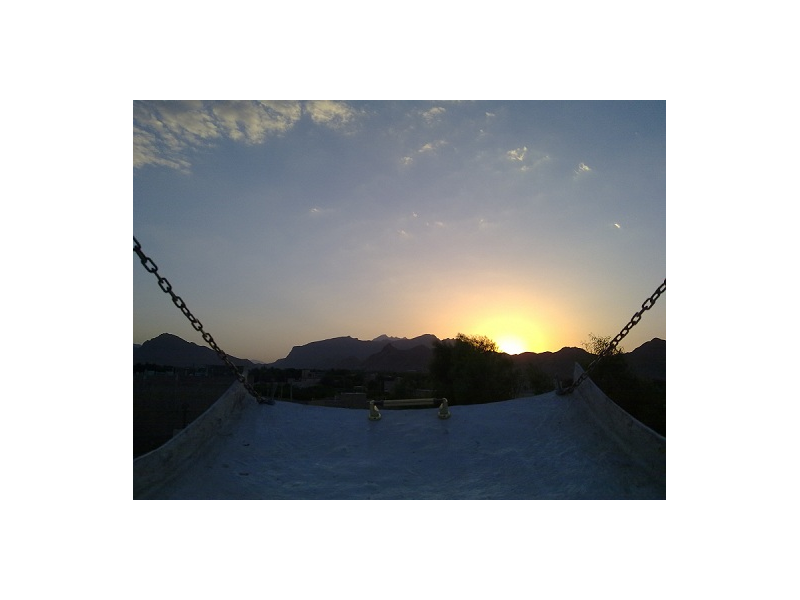
2. Seen: ICOP member Eng. Seyyed Ghasem Rostami from Taft City in Yazd State mentioned that the sky was partly cloudy, the atmospheric condition was hazy, the crescent was not seen by naked eye, the crescent was seen by binocular, the crescent was seen by telescope, the crescent was not sought by CCD Imaging
Eng. Seyyed Ghasem Rostami said: “The crescent was seen by 9*50 finder and 8″ telescope at few hour before sunset in my personal observatory.”
Jordan
1. Seen by others: ICOP member Ms. Basma Dhiab from Amman City in Amman State mentioned that the sky was clear, the atmospheric condition was clear, the crescent was not seen by naked eye, the crescent was seen by binocular, the crescent was not sought by telescope, the crescent was not sought by CCD Imaging
Ms. Basma Dhiab said: “Although it was officially the first day of Ramadan in Jordan following Saudi Arabia,7 of the Jordanian astronomical society went to observe the new crescent ( in Abu Soos/Amman )and had their breakfast outdoors. The western horizon was clear, but the crescent was seen 3 minutes after Sunset only by 25*100 binocular. ”

Malaysia
1. Seen: ICOP member Mr. Firdaus Mazlan from Teluk Kemang City in Negeri Sembilan State mentioned that the sky was partly cloudy, the atmospheric condition was hazy, the crescent was seen by naked eye, the crescent was not sought by binocular, the crescent was not sought by telescope, the crescent was not sought by CCD Imaging
Mr. Firdaus Mazlan said: “On Friday, 20th July 2012 M equal to 29th Sha’ban 1433 H, we have split into many places in Malaysia to see the new moon. Below is the result of our rukyah team.
1. First Team
Kuala Kedah, Kedah (06:06:32.0 N , 100:17:12.0 E), Seen, 7.55 pm until 8.10 pm, the new crescent was seen by Mr. Mohd Redzuan bin Pandil, Mr. Muhammad Muhaimin bin Abd Abas, Mr. Mohd Husni bin Jamil, Mr. Musa bin Kasim, Mr. Syukri Arif bin Yusuf, Mr. Muhammad Afiq bin Mohd Safri and Mr. Khairi Shah bin Yahya.
2. Second Team
Pulau Pinang (05:25:00 N , 100:15:00 E), Seen, 7.45 pm until 8.15 pm, the new crescent was seen by Mr. Muhammad Muinuddin bin Mat Jusoh.
3. Third Team
Sungai Buloh, Kuala Lumpur (03:09:00 N , 101:41:00 E), Seen, 7.50 pm until 8.10 pm, Ms. Rasyidah bt Harun and Mr. Mohd Afif bin Mohd Nasaruddin.
4. Fourth Team
Baitul Hilal, Teluk Kemang, Negeri Sembilan (02:26:43.0 N , 101:51:16.0 E), Seen, 8.00 pm until 8.01 pm, the new crescent was seen by Mr. Mohd Razib bin Mohd Aris, Mr. Azizie bin Azmi, Mr. Mohd Haziq bin Hamzah, Mr. Mohd Afiq bin Hamzah, Mr. Afiezie bin Mohd Yunus, Mr. Syamil bin Mohd Sulaiman, Mr. Nik Nazrul bin Nik Kasbi, Mr. Mohd Rozaini bin Md Rahman, Mr. Mohd Jamal bin Othman, Mr. Nurfarhan bin Khamis, Mr. Mohd Khairi bin Nuruddin and Mr. Zulkarnain bin Jauhari.
Also seen with Binocular (Copitar Look 12×21 m/m Field – 4.6 Degree (Hilal)) by Mr. Rasyiq bin Alwi.
5. Fifth Team
Tanjung Mas, Muar, Johor (02:03:00 N , 102:34:00 E), Seen, 7.50 pm until 8.00 pm, the new crescent was seen by Mr. Afzan Amly bin Haji Ahmad Taha and Mr. Nazarul Hisyam bin Ishak.
6. Sixth Team
Danga Bay, Johor Bahru, Johor (01:38:00 N , 103:40:00 E), Seen, 7.35 pm until 7.36 pm, the new crescent was seen by Mr. Mohd Imran bin Yusof.
So, tomorrow, 21th July 2012 M (Saturday) is the 1st Ramadhan 1433 H. Our goverment already announced that tomorrow (21th July 2012 M) is 1st Ramadhan 1433 H. “

Nigeria
1. Not Seen: ICOP member Dr. Sani Mustapha from kaduna City in kaduna State mentioned that the sky was totally cloudy, the atmospheric condition was very hazy, the crescent was not seen by naked eye, the crescent was not sought by binocular, the crescent was not sought by telescope, the crescent was not sought by CCD Imaging
Dr. Sani Mustapha said: “The western horizon was cloudy and hazy. No stars could be seen.”
Oman
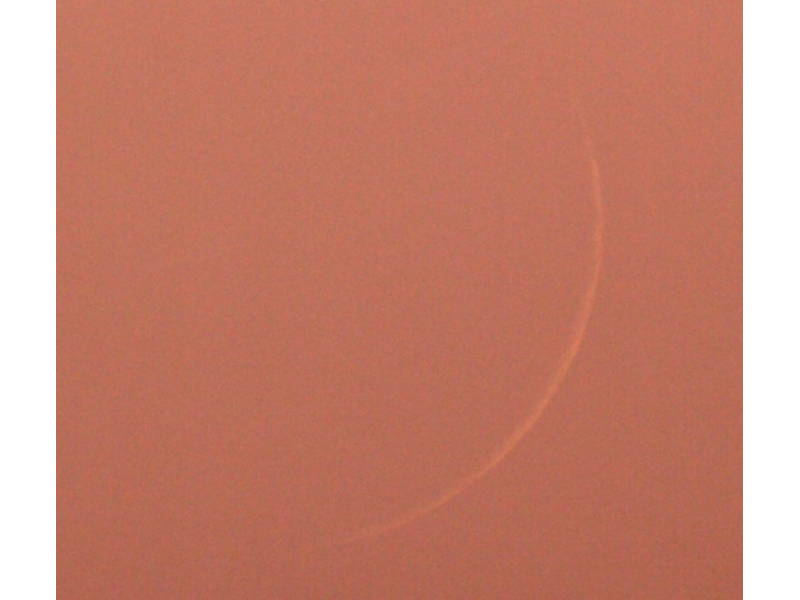
1. Seen: ICOP member Eng. Martin Elsaesser from Muscat City in Muscat State mentioned that the sky was clear, the atmospheric condition was very hazy, the crescent was not seen by naked eye, the crescent was not sought by binocular, the crescent was seen by telescope, the crescent was seen by CCD Imaging
Eng. Martin Elsaesser said: “We started well before sunset, using a mobile telescope optimized for crescent observations. Sky conditions were very hazy, but free of visible clouds. We could quickly see the crescent with the CCD camera and the telescopes tracked it well. This crescent was not a difficult task for the CCD system.
Switching to the visual view, we could later also see it visually through the telescope after sunset. 5 observers where present and i think we all saw it visually, but it was not easy and finding precise focus for each observer was important. We could NOT see it with the naked eye.
I took some images with a standard DSLR through the telescope, to get images similar to the visual view. I have added a raw image from the DSLR, a contrast-stretched image from the DSLR and an image from my dedicated crescent imaging system, all taken with the same telescope.”


Pakistan
1. Not Seen: ICOP member Mr. Alam Sultan from karachi City in Sindh State mentioned that the sky was totally cloudy, the atmospheric condition was very hazy, the crescent was not seen by naked eye, the crescent was not sought by binocular, the crescent was not sought by telescope, the crescent was not sought by CCD Imaging
Mr. Alam Sultan said: “Not seen by us / officially announced that seen:: Today (Friday, 20 July 2012=29 Shabaan 1433 in Pakistan) on my request, a large number of persons ( members of the moon-sighting committees of our institute “JAMIA-TUR-RASHEED” + my friends + their companions) tried to sight the moon all over Pakistan at more than 59 places but the moon could not be sighted. Almost, it was cloudy countrywide today.
Note 1: On the basis of the reports of two places……(1)Shahpur, Chakar, Sindh (2) Kachi, wanga, Dera Ghazikhan…….Chairman of central official moon sighting committee of Pakistan, mufti Munee-bur-Rahman announced that moon has been sighted thus Saturday 21st July 2012 is 1st Ramadhaan 1433 AH in Pakistan.
I am sorry to comment over this announcement without knowing the full written detail of the questions and answers between the witnesses and the expert of official committee.
Note 2: Inshaallah, a detailed report of our own observations will be available soon in Urdu.
”
Philippines
1. Not Seen: ICOP member Mr. Abu Ammar Mangorangca from Marawi City in Mindanao State mentioned that the sky was partly cloudy, the atmospheric condition was hazy, the crescent was not seen by naked eye, the crescent was not sought by binocular, the crescent was not sought by telescope, the crescent was not sought by CCD Imaging
Mr. Abu Ammar Mangorangca said: “This is a belated report and is being submitted for record purpose.
The 29th of Sha’ban in our extant calendar falls on Friday, July 20. Hence, sighting of hilal was attempted on the evening that day although there was no great expectation of positive result because the whole country was on the front end of a low pressure storm, locally named Ferdie by our meteorology agency. Heavy rains fall on many parts of the country, resulting into floods even in metropolitan areas like Manila.
But to chance for the occasional and brief clearing of clouds, the attempt to observe the hilal was made by several parties. This was done mostly by members of the Tabligh movement whose members are located in most towns and villages in the country. No other group of Muslims in the Philippines has the organization and resource to seriously observe the hilal on a nation-wide and regular basis.
Since the hilal was not sighted on Friday evening, Ramadhan starts on Sunday, 22 July. Of course there are groups around who belong to the Saudi club and who started the Holy Month on Friday. ”
Saudi Arabia
1. Seen: ICOP member Mr. Saleh Al-Saab from Boraydah City in al Gaseem State mentioned that the sky was partly cloudy, the atmospheric condition was clear, the crescent was not seen by naked eye, the crescent was seen by binocular, the crescent was seen by telescope, the crescent was not sought by CCD Imaging
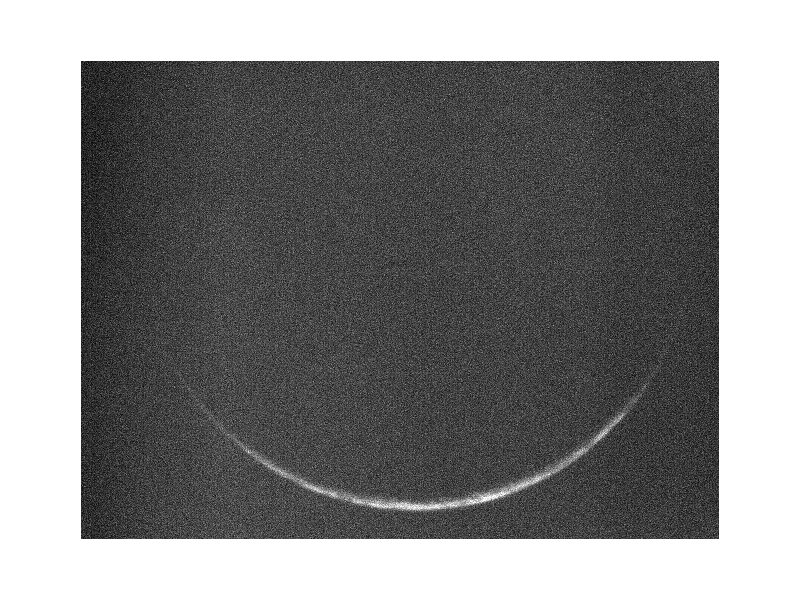
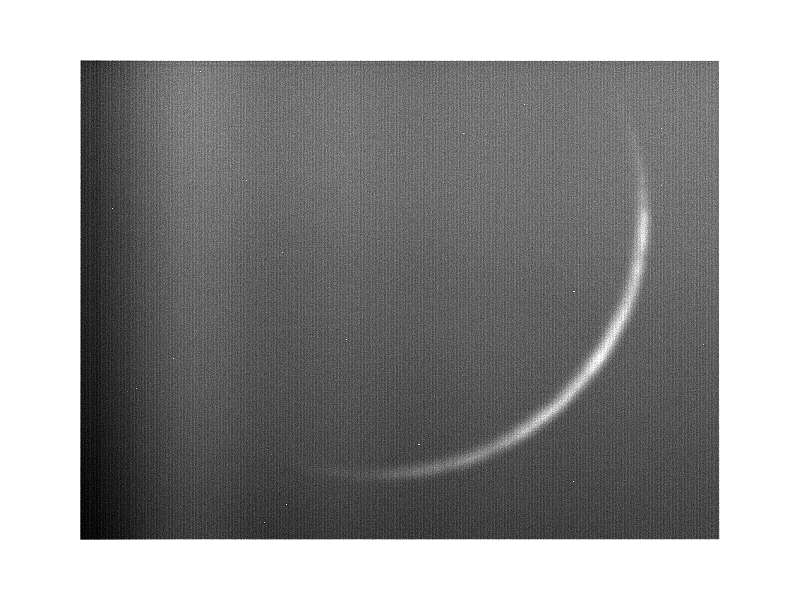
2. Seen: ICOP member Mr. Samy Khadem-Al-Charieh from Fiqrah City in Madinah State mentioned that the sky was clear, the atmospheric condition was hazy, the crescent was seen by naked eye, the crescent was seen by binocular, the crescent was not sought by telescope, the crescent was seen by CCD Imaging
United States
1. Seen: ICOP member Dr. Javad Torabinejad from Blacksburg City in VA State mentioned that the sky was partly cloudy, the atmospheric condition was hazy, the crescent was seen by naked eye, the crescent was seen by binocular, the crescent was not sought by telescope, the crescent was not sought by CCD Imaging
Dr. Javad Torabinejad said: “We arrived at our sighting location around 8:26 pm EDT (sunset: 8:38 pm). Using binoculars, We started scanning the expected crescent location in a partly cloudy and hazy western horizon. It was at 8:32 pm when my daughter located the moon using the 10X50 pair of binoculars. Shortly after, following her directions, using the 7X50 pair of binoculars, I sighted the crescent. At 8:34 pm, my daughter sighted the moon with naked eye. A minute later, the moon was behind the clouds and reappeared at 8:41 pm. My naked eye sighting was at 8:43 pm. We followed the crescent with binoculars till 8:52 pm when it was covered by clouds (moonset: 9:21 pm).”
——————————————————————————–
The OFFICIAL First Day in Different Countries
| 20 July 2012 | 21 July 2012 |
| 1. Algeria 2. Bahrain 3. Egypt 4. Jordan 5. Kuwait 6. Lebanon 7. Libya 8. Nigeria 9. Palestine 10. Qatar 11. Saudi Arabia 12. Sudan 13. Tunisia 14. United Arab Emirates 15. Yemen |
1. Brunei Darussalam 2. Indonesia 3. Iran 4. Iraq 5. Japan 6. Malaysia 7. Morocco 8. Oman 9. Pakistan 10. South Africa 11. Syria 12. United Kingdom |
It’s always good to have all the results archived, so we can use it for future reference/study. My next post>> Crescent Visibility Report for Shawwal 1433 to be followed soon In Sha Allah (If God wills)
Ramadan Kareem








 ,
,







 Mundhir
 A s t r O c e a n O m y